
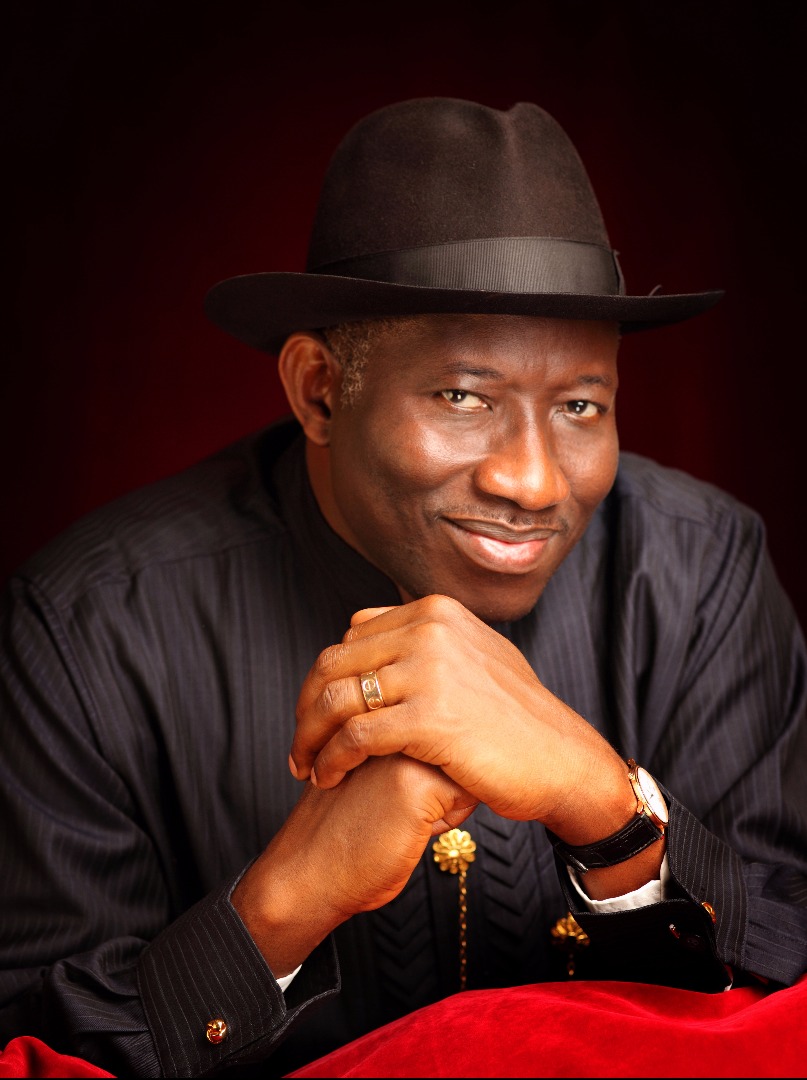
Long before he became the President of Nigeria, Goodluck Jonathan was simply a boy from a small riverside community in Otuoke, Bayelsa State, in the Niger Delta region of Nigeria.
He was born on November 20, 1957, into a humble family. Life was simple. Growing up in a rural environment, he experienced firsthand the struggles many ordinary Nigerians faced — limited infrastructure, economic hardship, and lack of opportunities. Yet even from a young age, he was known for his calm nature, humility, and quiet determination.
Unlike many powerful political figures who came from wealthy or elite backgrounds, Jonathan's journey was different. He often spoke about walking barefoot to school as a child and studying under difficult conditions. His story became one many Nigerians related to because it reflected the life of ordinary people trying to rise through education and perseverance.
Education became his path forward
He attended the University of Port Harcourt, where he studied Zoology and later earned advanced degrees in Hydrobiology and Fisheries Biology. Before entering politics, Jonathan worked as a teacher and environmental protection officer. Those who knew him during this period described him as soft-spoken, disciplined, and deeply focused on education and development.
A political journey begins
His political journey began in the late 1990s during Nigeria's return to democratic rule. In 1999, he became the Deputy Governor of Bayelsa State. His calm leadership style and reputation for loyalty eventually led him to become Governor of Bayelsa in 2005.
Not long after, history took another turn. In 2007, Goodluck Jonathan was selected as Vice President of Nigeria alongside President Umaru Musa Yar'Adua. For many Nigerians, his rise symbolized hope — a man from a small village reaching the highest levels of leadership through persistence rather than privilege.
Becoming President
Following the illness and eventual death of President Yar'Adua in 2010, Goodluck Jonathan became President of Nigeria. The transition was tense and emotional, but Jonathan stepped into office during a period filled with uncertainty, security challenges, and political pressure. Despite the weight of the office, he continued to project a calm and approachable image.
In 2011, he won the presidential election and officially began his own elected term as President.
A presidency focused on the future
During his presidency, his administration focused on:
- Infrastructure development
- Education expansion
- Agriculture reform
- Economic growth
- Power sector privatization
- Technology and youth empowerment
Under his leadership, Nigeria became recognized as one of Africa's largest economies after GDP rebasing in 2014. His government also introduced initiatives aimed at supporting students, entrepreneurs, and local industries.
However, like every presidency, his years in office also faced criticism and major challenges, especially regarding corruption concerns, insecurity, and the Boko Haram insurgency in northern Nigeria.
The moment that defined a legacy
In 2015, after losing the presidential election, Goodluck Jonathan made a historic decision that changed the course of Nigerian democracy.
Rather than contesting the results violently or creating political instability, he peacefully conceded defeat and congratulated the opposition candidate before the final results were fully completed.
At a time when many African nations struggled with political violence after elections, Jonathan's peaceful transfer of power was praised around the world as a powerful act of democratic maturity.
"My political ambition is not worth the blood of any Nigerian."
That moment transformed him from just a former president into a global symbol of peaceful democratic leadership.
A statesman for Africa
Since leaving office, Goodluck Jonathan has continued working across Africa as:
- Diplomat
- Election observer
- Peace ambassador
- Statesman
He has participated in mediation efforts, democratic discussions, and international peace initiatives in several African countries.
To many supporters, his story represents humility, patience, education, perseverance, and peaceful leadership — the journey of a man who rose from a small riverside village to become one of Africa's most recognized democratic figures.
And then came the Goodluckans
Inspired by his life and legacy, a global community of supporters, admirers and friends took shape across the Nigerian diaspora — the Goodluckans. Not a political party, but a movement of conscience carrying forward the values that defined his presidency: peace, humility, democratic restraint, and an unshakable belief in young Africans.
From WhatsApp groups in London to chapters in Toronto, Houston, Accra and Johannesburg, the Goodluckans continue the story he began — turning one man's quiet courage into a worldwide movement for Hope, Care and Opportunity.